
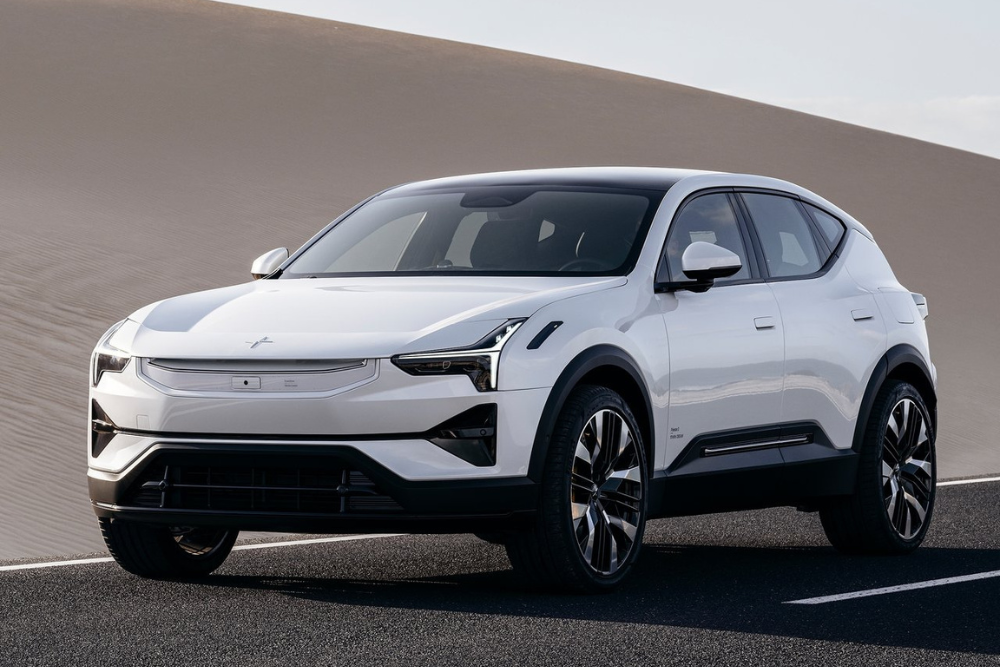
Polestar has taken a major step toward the future of smart energy living. The brand announced its first bi-directional charging offer, unlocking vehicle-to-home (V2H) capability for Polestar 3 customers in the U.S., beginning in California.
In partnership with home energy innovator dcbel, this launch marks the start of Polestar’s ambition to turn its vehicles into intelligent energy assets, reducing ownership costs, strengthening home resilience and supporting a cleaner, more flexible electric grid.
What is Bi-directional charging?
Bi-directional charging transforms an electric car from a one-way energy user into a two-way energy partner. With this technology, the Polestar 3 can charge as usual, but also feed energy back into the home or, eventually, the grid.
This first deployment uses DC bi-directional charging on the Polestar 3’s 400-volt electrical architecture. Through dcbel’s home energy system, Ara, customers gain:
-
Vehicle-to-Home (V2H) capability
-
Blackout protection — with up to 10 days of backup power
-
Smart charging to reduce annual charging costs by up to $1,300
-
Support for state incentives that significantly reduce installation costs
California households are uniquely positioned to benefit thanks to rebates offered through a California Energy Commission program administered by dcbel.
Will This Technology Come to the UK?
Polestar’s roadmap for bi-directional capability is broad and ongoing. In Europe, Polestar has already launched the Zaptec Go, a bi-directional-ready AC home charger compatible with Polestar 3. While the feature will activate once bi-directional charging becomes available, customers can already invest in the hardware today.
Polestar has confirmed that Germany is the first European market to receive bi-directional-ready hardware, with additional countries in Europe to follow. The UK is expected to be part of this wider expansion as Polestar advances both AC and DC bi-directional capability for future markets.