

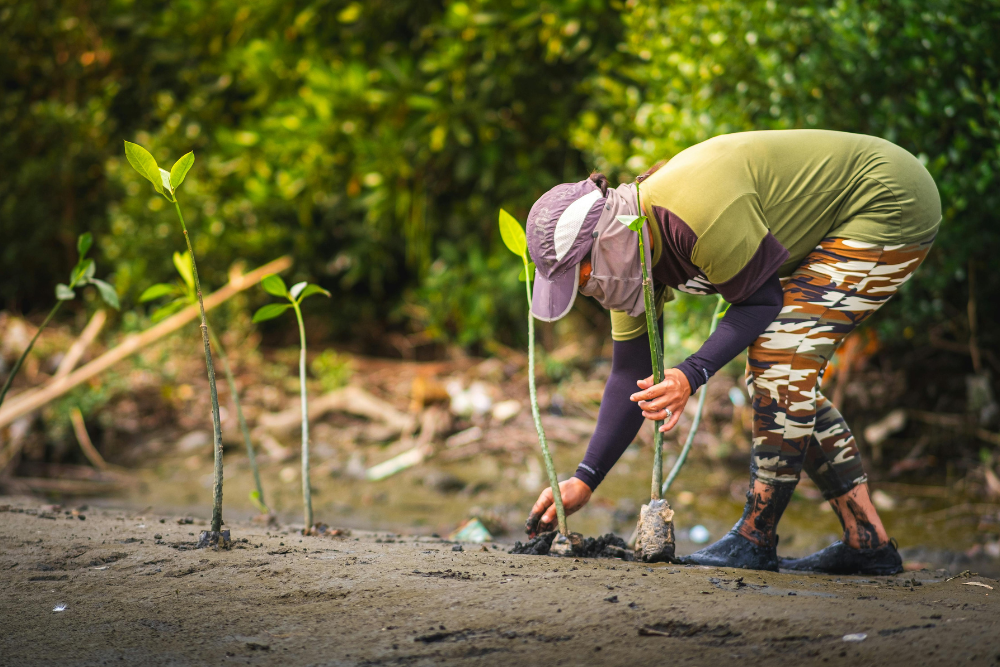
As part of our Climate Positive Leasing Service, Each time we lease a car or van, we contribute to Verified Carbon Standard (VCS) and Gold Standard carbon reduction projects to offset the carbon produced during the vehicle's manufacturing process. Additionally, for every electric vehicle leased, we plant 100 trees in the Lease Electric Forest, which helps remove approximately 30 tonnes of CO2 from the atmosphere for each tree.
Lease Electric has have funded various efforts aimed at renewable energy, deforestation prevention, wetland restoration, and communities around the world.
Impact to Date
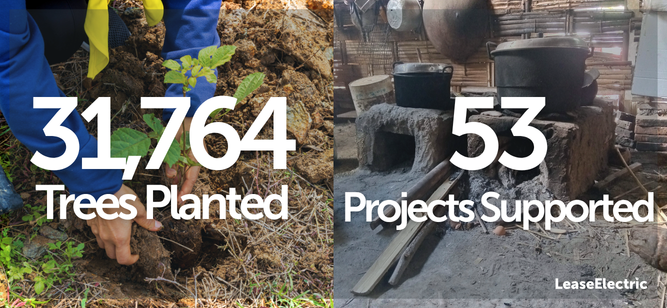
Resulting in
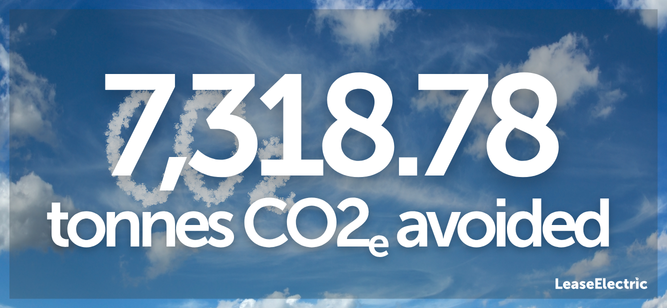
This is equivalent to
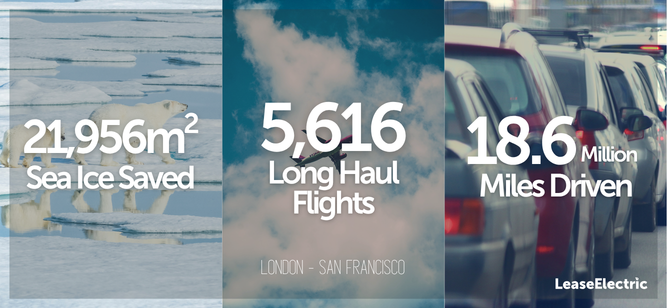
2026 Impact To Date
We're just over halfway through 2026, and what a year it's already been. Here's what we've achieved so far in 2026, and why every lease really does make a difference.
Trees Funded
Over the last six months Lease Electric have continued to fund the planting of trees in Kenya, Malawi, Uganda and Tanzania.
Kenya
The One Acre Fund Project in Kenya helps smallholder farmers plant trees alongside their crops, restoring soil health, improving harvests and increasing resilience to climate change. Through the project, 810,000 trees will be planted, with farmers receiving high-quality seedlings and expert training to ensure long-term success.
As the trees mature, they capture carbon, protect biodiversity and provide sustainable sources of timber and fuel, creating lasting environmental, social and economic benefits for farming communities across Kenya.
Uganda
The Planting Forest Gardens in Busoga, Uganda project helps transform degraded farmland into productive forest gardens, giving smallholder farmers the tools, training and support to grow a diverse mix of crops alongside trees. Over four years, 400 farmers will plant 1.6 million trees, improving food security, restoring soil health and creating more sustainable sources of income.
By combining agroforestry with climate-smart farming, the project captures carbon, restores biodiversity and reduces pressure on natural forests, helping both people and the planet thrive for generations to come.
Tanzania
The Reforestation in Mwanza, Tanzania project helps smallholder farmers restore degraded land through climate-smart agroforestry. Working with Trees for the Future, farmers receive training, mentorship and support to plant trees alongside crops, improving soil health, increasing food production and creating more resilient farms.
By restoring farmland with diverse tree species, the project captures carbon, protects biodiversity and helps communities adapt to changing weather conditions, delivering long-term environmental, social and economic benefits for families across the Mwanza region.
Malawi
Projects Supported
Through out 2026 Lease Electric have continued to support Verified Carbon Standard, projects we had chosen in 2025.
Fuel-efficient cookstoves in Uganda
The Fuel-Efficient Cookstoves in Uganda project provides low-income households with cleaner, more efficient cookstoves that use 45–55% less charcoal than traditional cooking methods. This reduces carbon emissions, lowers fuel costs for families and helps tackle deforestation, while making everyday cooking more affordable and sustainable.
The project also delivers significant health benefits by reducing harmful indoor smoke, improving air quality and helping to prevent respiratory illnesses. By manufacturing the stoves locally, it creates jobs, supports local communities and reinvests climate finance into programmes that empower families across Uganda.
Protection of the Matavén forest in eastern Colombia
The Protection of the Matavén Forest in Eastern Colombia project safeguards more than 1.15 million hectares of tropical rainforest within the Indigenous Matavén Forest Reserve. By supporting Indigenous communities with sustainable livelihoods, education, healthcare and conservation jobs, the project helps prevent deforestation while protecting one of Colombia's most biodiverse ecosystems.
By reducing forest loss, the project prevents around 1.8 million tonnes of CO₂ emissions each year, while preserving vital habitats for thousands of plant and animal species. It delivers long-term climate, biodiversity and community benefits, ensuring the forest can continue to thrive for future generations.
Avoiding methane emissions from landfill in Brazil
The Avoiding Methane Emissions from Landfill in Brazil project captures methane released by landfill waste and uses it to generate electricity for Brazil’s national grid. This prevents a highly damaging greenhouse gas from entering the atmosphere while reducing reliance on fossil-fuel power.
Based in Minas Gerais, the project is expected to prevent an average of 445,100 tonnes of CO₂e each year, while also reducing unpleasant odours and other environmental impacts associated with landfill gas.